RESTORATION, PRESERVATION & ARCHIVING
MENU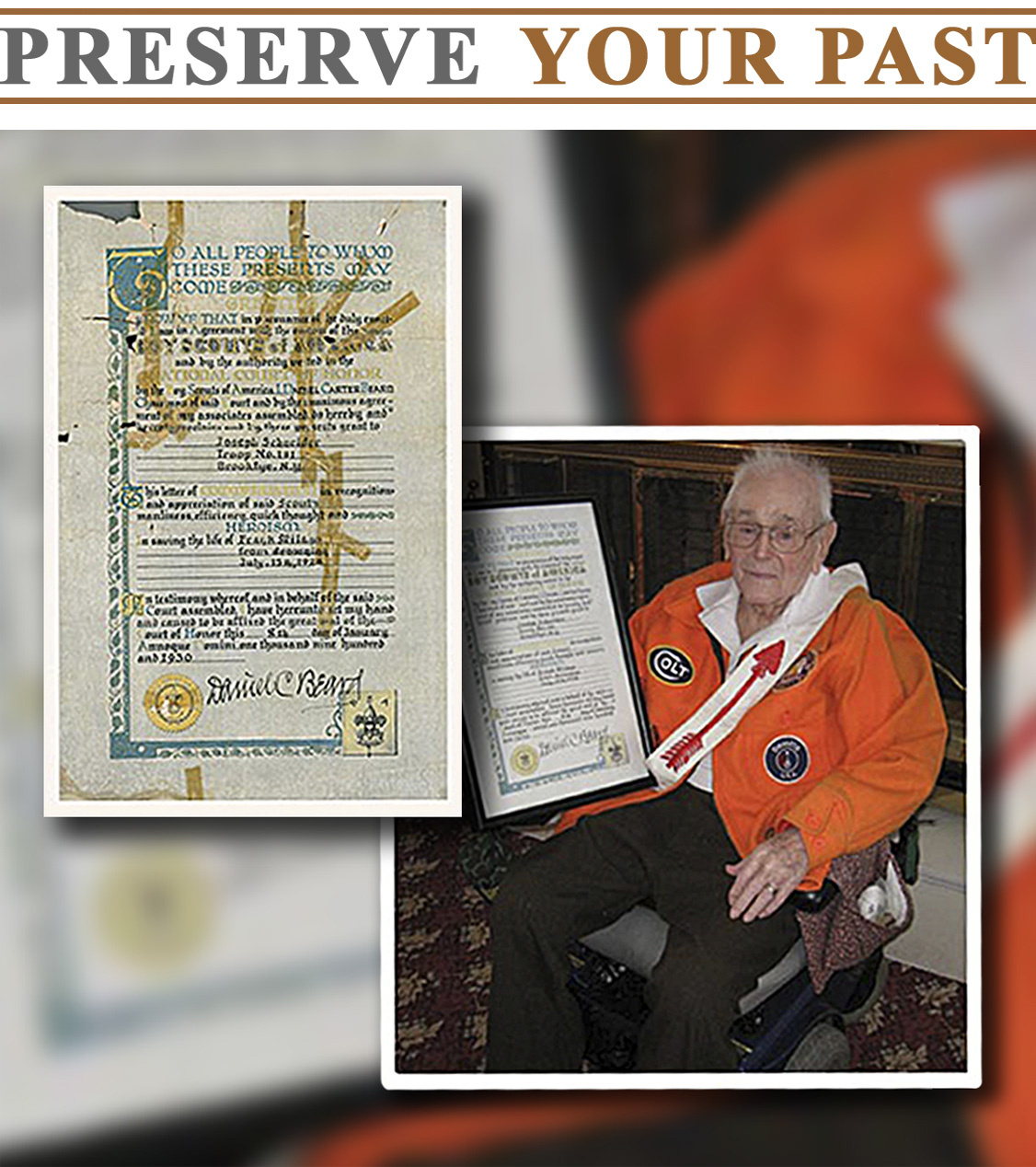
Restoring a Boy Scout Lifesaving and Meritorious Action Award
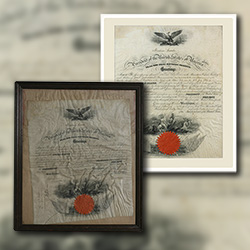
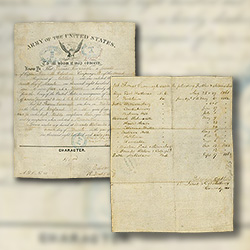
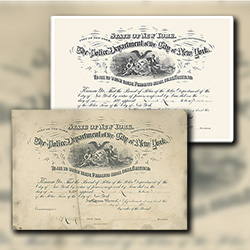
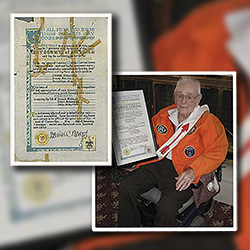
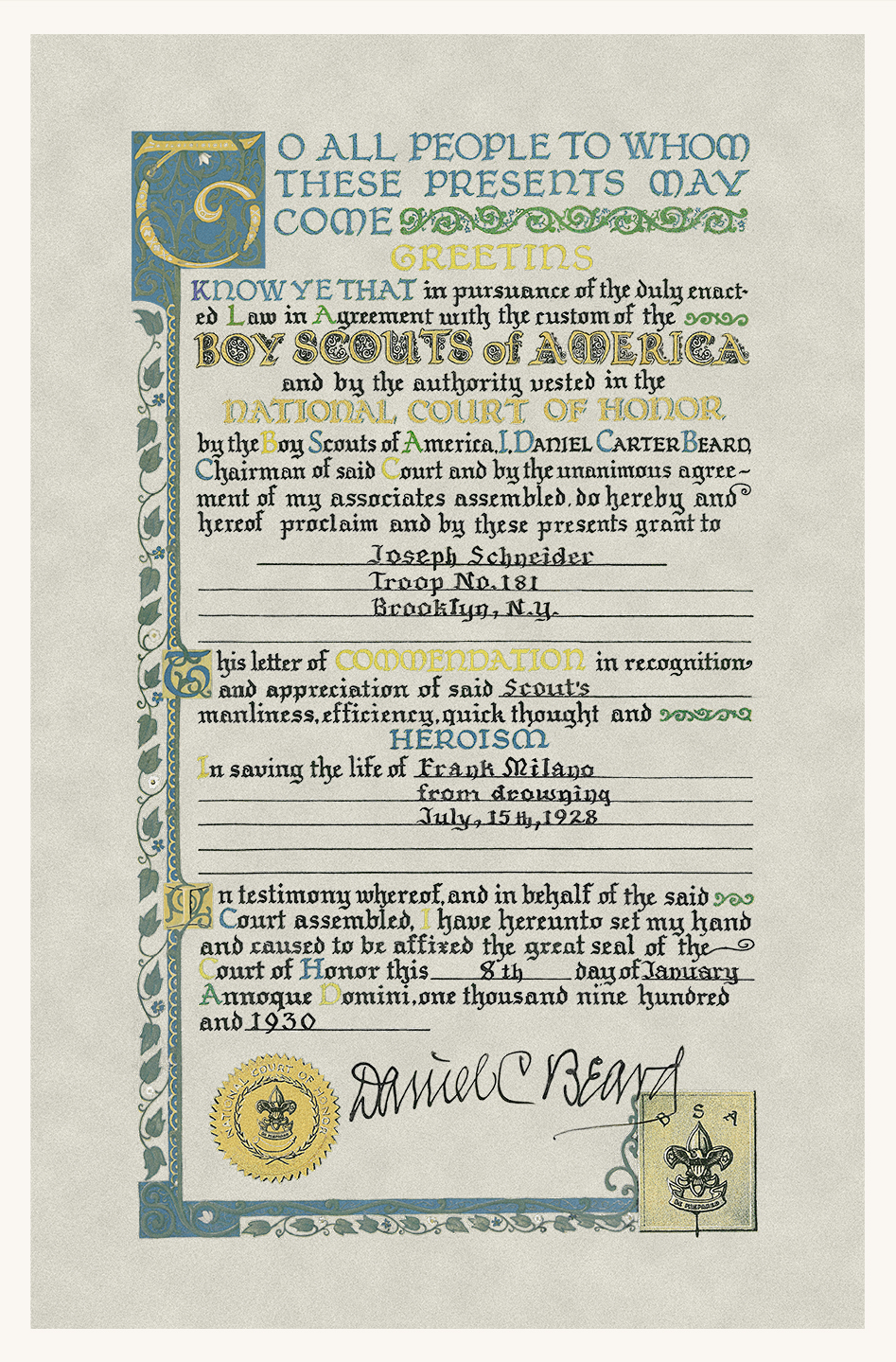 Commissioned by The Ten Mile River Scout Museum, this Boy Scout Lifesaving and Meritorious Action Award was carefully restored in time to be presented to its original recipient on his 95th birthday. It had been awarded many decades earlier in recognition of an extraordinary act of courage: saving a man from drowning.
More than simply a piece of Boy Scout memorabilia, the award represented a defining moment in the life of a young Scout who had responded when someone was in danger. The medal stood as a lasting testament to courage, selflessness, and the willingness to place another person's life and safety above one's own.
The opportunity to restore the award and return it to its original recipient made this project especially meaningful. After decades of being separated from the moment and circumstances that had given it significance, the certificate once again became a tangible reminder of an act of bravery that had taken place many years earlier.
Since its founding in 1910, the Boy Scouts of America has encouraged young people to develop character, leadership, responsibility, and a commitment to serving their communities. Throughout the organization's history, Scouts have been recognized for acts of heroism and lifesaving performed under circumstances that often involved considerable personal risk.
Such awards are more than decorations or ceremonial objects. They commemorate real events and real decisions, moments when an individual was faced with a difficult situation and chose to act. A lifesaving medal can therefore carry a significance far beyond its physical appearance. It becomes a permanent record of courage, preserving the memory of an event that might otherwise fade with time.
In this case, the certificate commemorated a young Scout's decision to help save a drowning man. The physical object served as a direct connection between that moment of courage and the long life that followed.
Over the course of many decades, medals, certificates, photographs, uniforms, and other pieces of scouting memorabilia can become worn, tarnished, scratched, or damaged. Years of handling, improper storage, environmental exposure, and the simple passage of time can all take their toll on historical objects.
 Yet these artifacts are often far more important than their material value might suggest. A medal and a certificate such as this one represents a personal achievement, but it can also embody the history of a family, a Scout troop, and a larger community. It can remind younger generations of the values that earlier generations were taught to uphold: courage, responsibility, service, and concern for others.
Restoring historical artifacts allows these physical connections to survive. Careful restoration can preserve the appearance and character of an important object while maintaining the evidence of its age and history. The goal is not simply to make an old object look new again, but to preserve the story that the object carries with it.
The restoration of this Boy Scout award was particularly meaningful because it reunited a remarkable man with a symbol of his youthful courage. Presented to him again on his 95th birthday, the restored medal represented a remarkable journey through nearly a century of life. The young Scout who had once acted bravely in an emergency had become a 95-year-old man looking back on an event that had taken place decades earlier.
The presentation transformed the restoration into something more than the preservation of a piece of paper. It became a moment of reconnection, a chance to return a meaningful piece of personal history to the person whose actions had earned it.
The award honored an act of courage from long ago, but it also celebrated a lifetime shaped by the values that the medal represented. Its return served as a reminder that acts of bravery and selflessness can have a lasting impact, remaining meaningful long after the original event has passed.
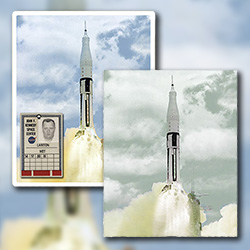
Projects like this demonstrate why the restoration of historical artifacts, family heirlooms, and vintage memorabilia is so important. Objects that may initially appear to be simple keepsakes can hold extraordinary stories within them.
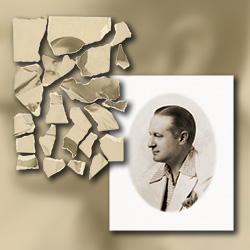
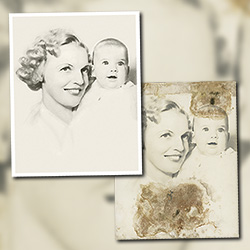
A medal can preserve the memory of an act of heroism. A photograph can bring a forgotten face back into view. A certificate can document an achievement that might otherwise be lost to history. Each artifact provides a physical connection to the people and events that came before us.
For museums and historical organizations, preserving these objects helps ensure that important stories remain accessible to future generations. For families, restoration can give treasured heirlooms a new life and allow younger generations to understand the people and experiences that shaped their family's history.
In both cases, restoration is ultimately about preserving memory. Every restored object tells a story. In this case, it is the story of a young Boy Scout who answered a call for help, a man whose life was saved, and an act of courage that remained significant nearly a century later.
The restored Lifesaving and Meritorious Action Award now stands as a tangible reminder of that moment - a historical object carrying a remarkably large story of bravery, service, and the enduring human instinct to help another person in need. Returned to its original recipient on his 95th birthday, it came full circle, reconnecting a lifetime of memories with the courageous act that had earned it so many years before.
|
|
|
|

|
|
|
|
|
|
|
|
|
|
|
|
|
|
|
|
|
|
|
|
|
|
|
|
|
|
|
|
|
|
|
|
|
|
|
|
|
|
|
|
|
|
|||||||||
| © 2026 Preserve Your Past | |||||||||
| By accessing this website you signify that you read, understood, and agreed to be bound by Terms of Services. If you do not agree to these terms, you are not permitted to use the Services. These Terms of Services have the same force and effect as an agreement in writing. |
|||||||||


