RESTORATION, PRESERVATION & ARCHIVING
MENU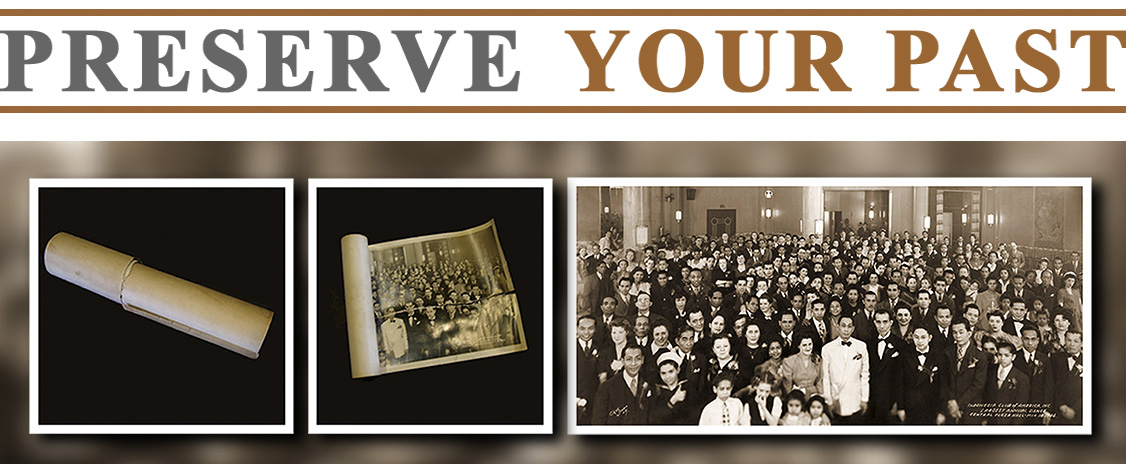
Restoration of a Rolled-Up Photograph
The restoration of photographs and documents that have been rolled, folded, tightly curled, or stored under pressure for many years is among the most challenging and delicate forms of conservation. When these objects have spent decades in dry attics, damp basements, garages, sheds, or other unsuitable environments, the damage can be especially severe.
Photographs and paper-based materials are remarkably resilient, but they are not indestructible. Over time, exposure to fluctuating temperature and relative humidity can cause paper fibers, photographic emulsions, adhesives, and mounting materials to deteriorate. Prolonged dryness may leave some materials exceptionally brittle, while repeated cycles of moisture and drying can cause dimensional changes, distortion, and structural weakening.
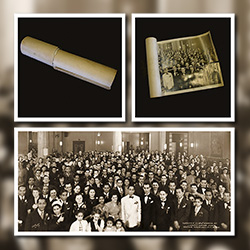
A photograph that has remained tightly rolled for decades presents an additional problem: the material has essentially been forced to retain a shape it was never intended to have. The longer it remains in that condition, the more difficult it may become to safely flatten it.
The first rule in the restoration of a rolled-up photograph is simple: never force it open.
A photograph may appear to be nothing more than a piece of paper, but its structure can be surprisingly complex. Depending on its age and method of manufacture, it may consist of a paper support combined with one or more photographic layers, coatings, emulsions, adhesives, backing materials, or mounting boards. Each component may respond differently to changes in moisture and temperature.
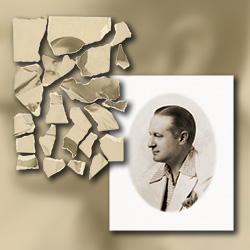
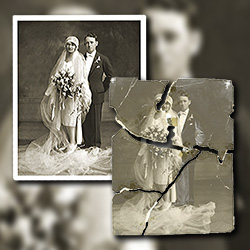
When a photograph has been rolled tightly and has become dry and brittle, attempting to flatten it by force can produce catastrophic results. The paper may crack along the curves created by the rolling. The photographic emulsion may fracture or separate from its support. Tears can spread rapidly, and small areas of damage may become large losses. In the most fragile cases, the photograph may break into numerous pieces simply from being handled.
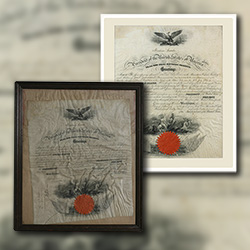
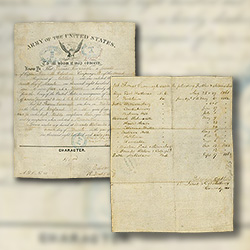
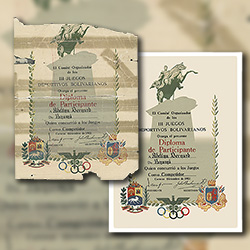
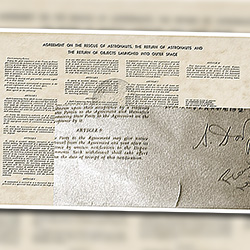
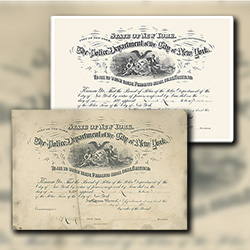
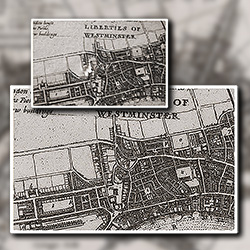
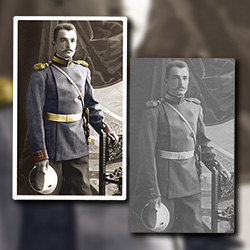
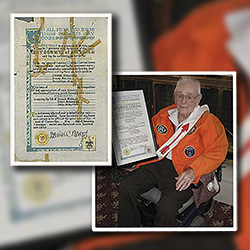
This is particularly concerning with historically significant photographs and documents that may be impossible to replace. A family portrait, military photograph, immigration document, wedding photograph, architectural drawing, map, certificate, or other historical record may be the only surviving evidence of an important person, place, or event.
For that reason, the first stage of restoration is not necessarily repairing the image. It is determining whether the photograph can be safely handled at all.
Before a tightly rolled photograph can be safely opened, the conservator must first evaluate its condition, construction, and environment. The appropriate treatment will depend on the type of photographic material, the severity of the damage, and whether the photograph has additional problems such as mold, active deterioration, friable emulsion, adhesive failure, or water damage.
In some cases, controlled humidification may be used to gradually introduce moisture into the material and increase its flexibility. This must be done under carefully controlled conditions. The objective is not to make the photograph wet, but rather to allow the fibers and layers of the object to relax gradually.
The process may take considerable time. As the material slowly becomes more pliable, it may be possible to begin opening the photograph a very small amount at a time. The conservator must continually assess the condition of the object and determine whether it is responding safely to treatment. There is no universal timetable. Some photographs may respond relatively quickly, while others may require repeated treatment over an extended period.
Patience is essential, trying to accelerate the process can cause more harm than the original damage. If the photograph is unrolled too quickly, brittle fibers may split, the photographic surface may crack, or layers that have become separated may be lost permanently.
Particularly fragile photographs and documents may require temporary supports, specialized conservation materials, or custom flattening methods. The goal is not simply to make the object look flat again. The priority is to stabilize the material while preserving as much of the original photograph as possible. Once the photograph has been safely opened and stabilized, the restoration process can continue.
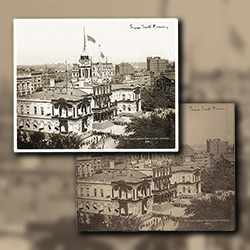
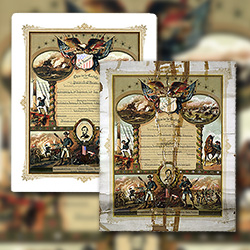
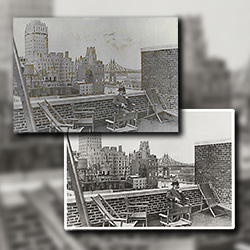
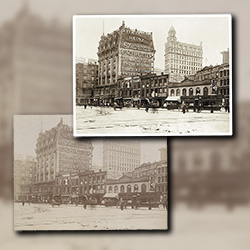
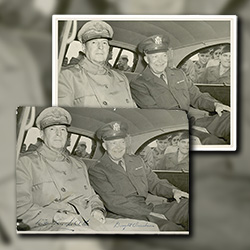
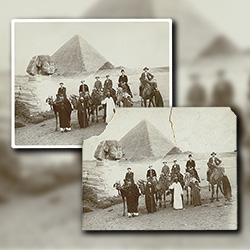
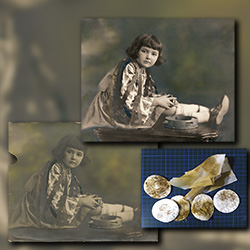
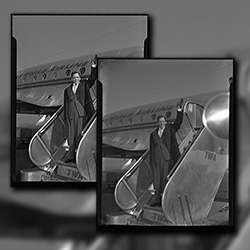
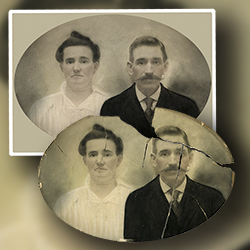
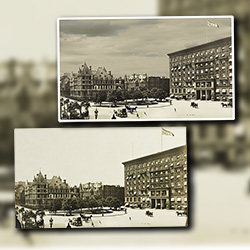
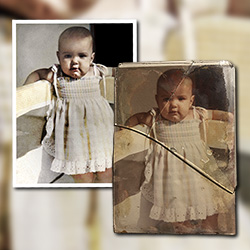
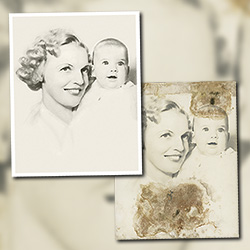
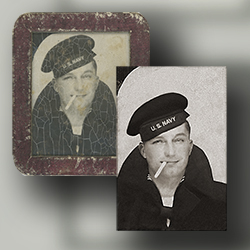
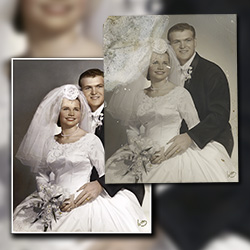
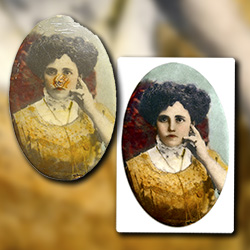
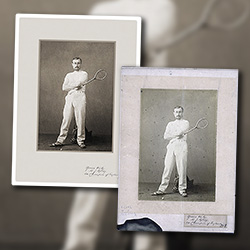
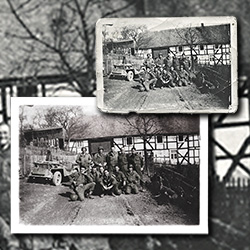
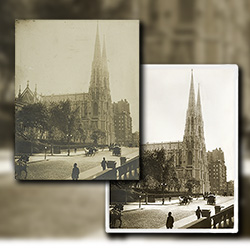
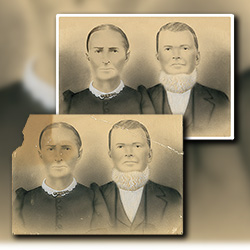
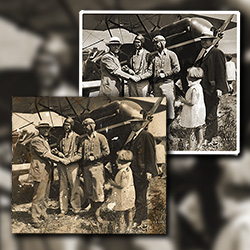
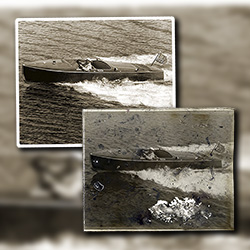
A photograph that has been rolled for many years may display a combination of damage. Deep creases may run across the image, and the surface may contain tears, abrasions, stains, scratches, discoloration, or areas of missing photographic material. In some cases, the photograph may also have suffered damage before it was rolled and stored.
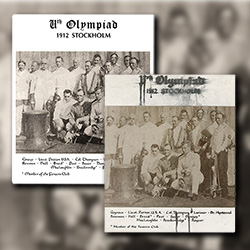
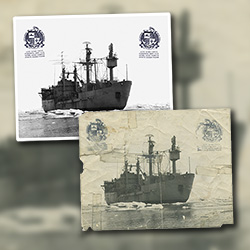
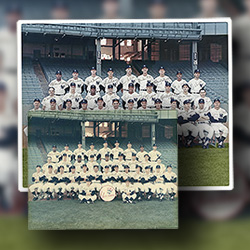
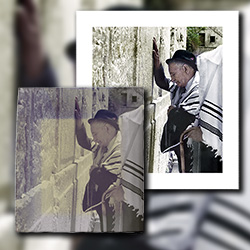
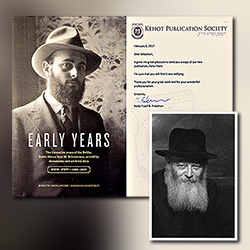
At this stage, conservation and digital restoration may work together. Physical conservation can address the structural stability of the photograph. Depending on the material and condition, this may involve repairing tears, stabilizing fragile edges, flattening distortions, or providing appropriate archival support. Digital restoration can then address damage visible within the photographic image itself. High-resolution scanning allows the photograph to be captured in detail, creating a digital master that can be carefully restored without repeatedly handling the fragile original.
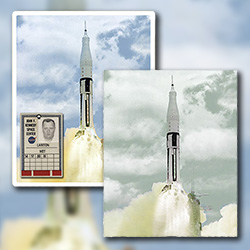
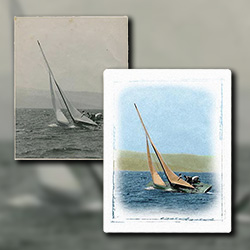
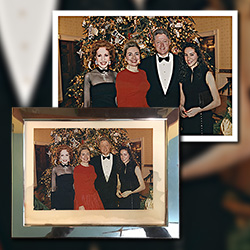
Using specialized digital restoration techniques, missing portions of the image may be reconstructed when sufficient visual information remains. Scratches, stains, creases, and other distracting damage can be reduced or removed. Faded details may be carefully enhanced, while tonal balance and contrast can be adjusted to create a more faithful representation of the photograph's original appearance.
When sections of a photograph are missing entirely, restoration becomes a more interpretive process. Any reconstruction should be approached with caution, particularly when dealing with historically significant images. The goal is to distinguish between what can be recovered from the surviving evidence and what must be carefully reconstructed based on context. The finished restoration should preserve the character and historical integrity of the original rather than create an image that looks artificially new.
DIY flattening methods can be exptremely dangerous. People who discover a tightly rolled family photograph or historical document may understandably want to rescue it immediately. Unfortunately, some of the most common do-it-yourself methods can cause permanent damage. Placing a brittle photograph under heavy books, applying water directly to the surface, using steam, ironing the material, or exposing it to heat can all create serious problems. Different photographic processes react differently to moisture and heat, and introducing these elements without knowing the material's composition can result in staining, distortion, emulsion damage, adhesion problems, or irreversible deterioration. Even seemingly gentle handling can be dangerous when an object has become extremely fragile.
For valuable, historically important, or irreplaceable photographs and documents, the safest approach is to avoid forcing the material open or attempting an aggressive flattening treatment. Instead, the item should be evaluated by an experienced conservator or restoration specialist who can determine the safest course of action.
A tightly rolled photograph may initially appear to be beyond saving. In reality, the condition of an object cannot always be judged by its appearance alone. With careful examination, controlled conservation treatment, and appropriate restoration techniques, even severely distorted photographs and documents may be stabilized and preserved. The process requires patience, technical knowledge, and respect for the original material. The ultimate objective is not simply to make an old photograph look better. It is to preserve the physical object, recover the visual information contained within it, and ensure that its story remains accessible.
For families, historians, archives, museums, and collectors, these photographs can represent far more than images on paper. They may contain the faces of people whose names have nearly been forgotten, record places that have disappeared, or document moments that could otherwise be lost to history. When a photograph has survived for generations despite years of neglect, improper storage, or severe physical distortion, careful restoration can give it a new opportunity to be seen, understood, and appreciated. What may initially appear to be a tightly rolled and hopelessly damaged piece of paper can, with the right conservation and restoration treatment, once again become a meaningful connection to the past.
|
|
|
|

|
|
|
|
|
|
|
|
|
|
|
|
|
|
|
|
|
|
|
|
|
|
|
|
|
|
|
|
|
|
|
|
|
|
|
|
|
|
|
|
|
|
|||||||||
| © 2026 Preserve Your Past | |||||||||
| By accessing this website you signify that you read, understood, and agreed to be bound by Terms of Services. If you do not agree to these terms, you are not permitted to use the Services. These Terms of Services have the same force and effect as an agreement in writing. |
|||||||||


