RESTORATION, PRESERVATION & ARCHIVING
MENU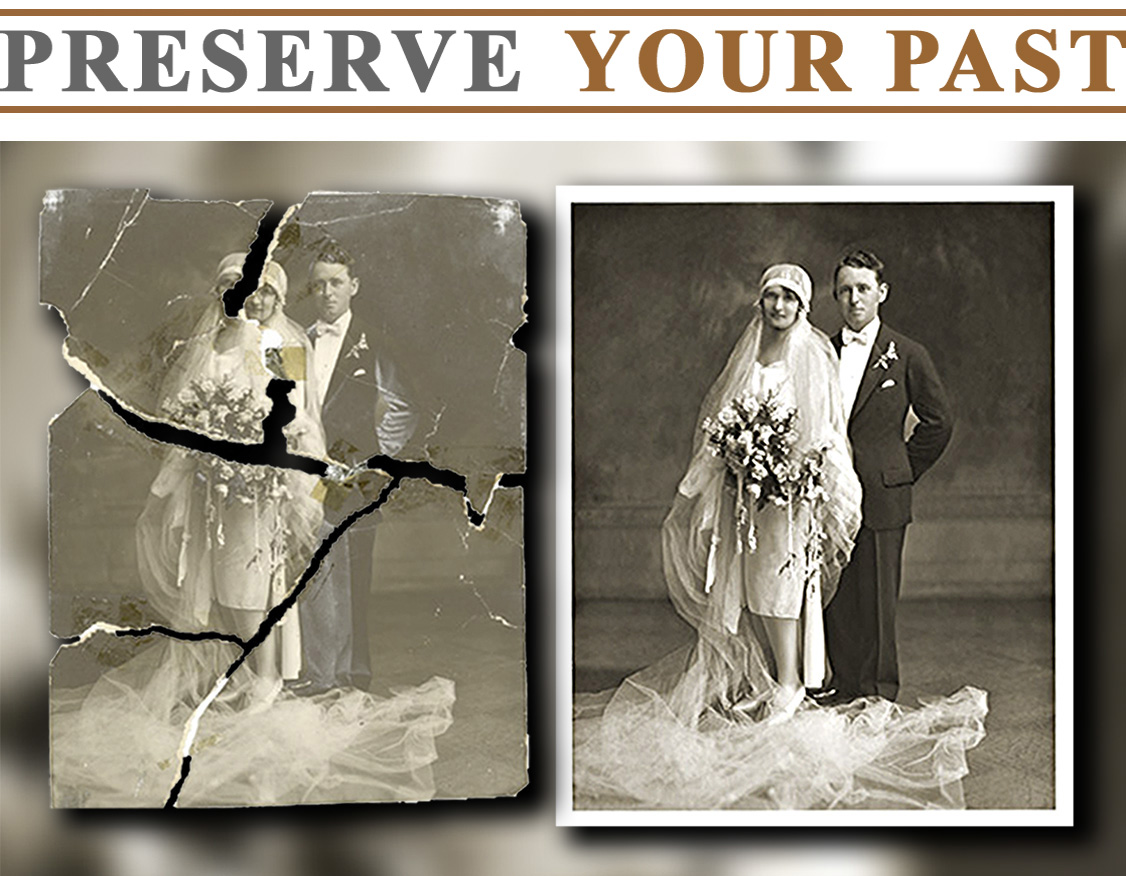
RESTORATION OF A TORN WEDDING PHOTOGRAPH
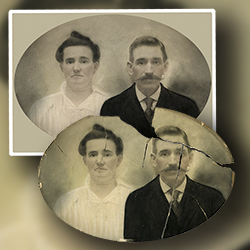
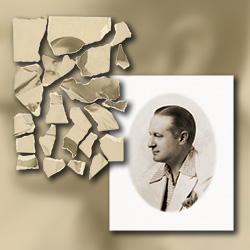
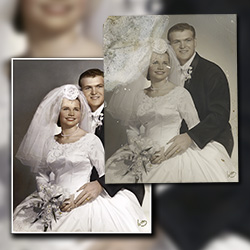
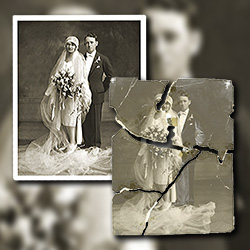
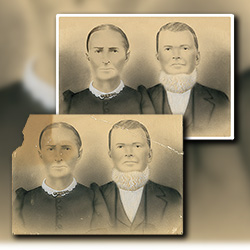
This beautiful wedding photograph, dating from the early twentieth century, arrived at the studio in an extremely distressed condition. Torn into numerous fragments, with many pieces missing, the delicate portrait of a young bride and groom, captured on what was likely one of the happiest days of their lives, appeared to be on the verge of disappearing forever.
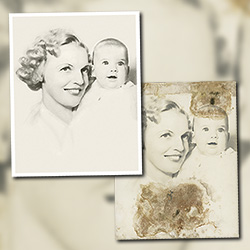
For many years, the damaged photograph had remained forgotten in a closet, where the passage of time and exposure to unfavorable environmental conditions had taken their toll. Moisture had contributed to the growth of mold and mildew, while the photograph had become brittle, stained, and severely deteriorated. Areas of chemical degradation and physical damage had obscured important details, and the faces of the young couple who once looked out from the image had faded deeper into obscurity.
Yet even in such heartbreaking condition, the photograph retained enormous emotional and historical value. It represented far more than a wedding day. It was a surviving fragment of a family history, the beginning of a shared life, filled with hopes, dreams, and experiences that would unfold over the decades that followed. For the couple's descendants, this fragile image offered a rare opportunity to look into the faces of ancestors who had lived more than a century ago and to reconnect with a past that might otherwise have been lost.
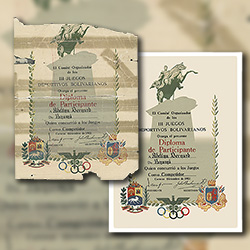
The restoration of a photograph in such condition requires far more than simply repairing visible tears. Each surviving fragment must be carefully examined, documented, and digitally reconstructed. Torn edges must be aligned, missing sections rebuilt, and damaged areas carefully restored while preserving the character and authenticity of the original image. Particular attention must be given to the faces of the subjects, as even the smallest surviving details can be essential to recreating their expressions and preserving their identity.
Through careful restoration, patience, and painstaking reconstruction, the shattered pieces of this historic wedding photograph were gradually reunited. Missing areas were reconstructed, damaged details were recovered, and the visual integrity of the original portrait was carefully restored. As the faces of the bride and groom began to emerge once again from beneath decades of damage, the photograph was transformed.
It was no longer merely a fragile and deteriorating object hidden away in a closet. It had once again become a living family memory, a tangible connection between generations separated by more than a century. Through the restoration of this torn wedding photograph, a precious moment from the beginning of one family's story was given a chance to endure for generations yet to come.
|
|
|
|

|
|
|
|
|
|
|
|
|
|
|
|
|
|
|
|
|
|
|
|
|
|
|
|
|
|
|
|
|
|
|
|
|
|
|
|
|
|
|
|
|
|
|||||||||
| © 2026 Preserve Your Past | |||||||||
| By accessing this website you signify that you read, understood, and agreed to be bound by Terms of Services. If you do not agree to these terms, you are not permitted to use the Services. These Terms of Services have the same force and effect as an agreement in writing. |
|||||||||


