RESTORATION, PRESERVATION & ARCHIVING
MENU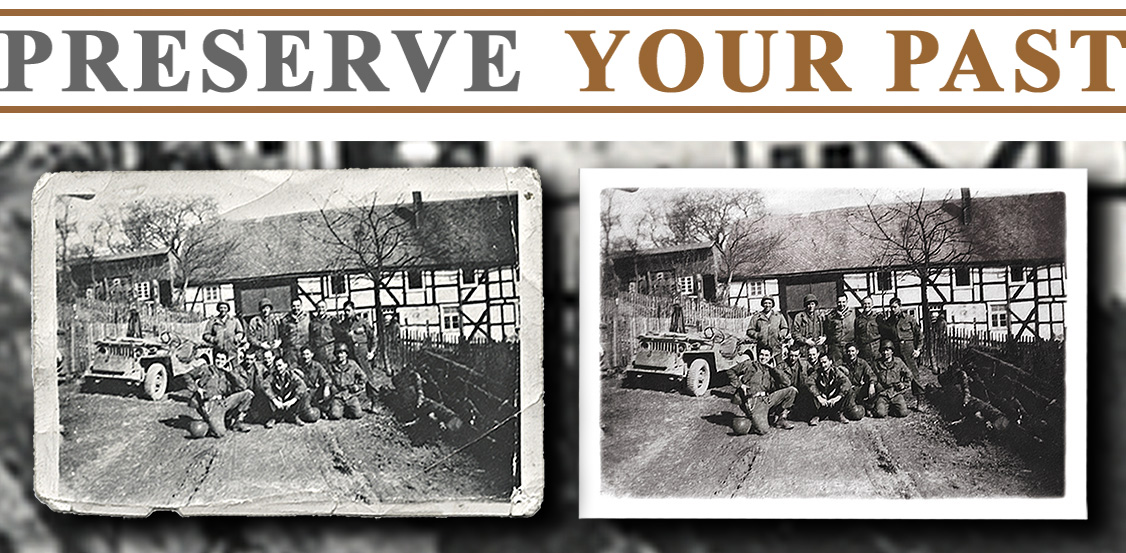
RESTORATION AND COLORIZATION OF A WORLD WAR II PHOTOGRAPH
During World War II, American servicemen took countless personal photographs, creating a vast visual record of military life beyond the official photographs produced by the U.S. Army Signal Corps and other military photographic units. While servicemen could own and use personal cameras in many circumstances, photography was subject to military regulations and restrictions. Images that revealed sensitive information about military installations, troop movements, unit locations, equipment, or planned operations could pose a serious security risk and were therefore restricted or censored.
Nevertheless, personal cameras remained an important part of the wartime experience. Soldiers photographed their comrades, camps, equipment, travels, and everyday moments, often sending snapshots home to family and friends. Many of these informal photographs survived in family albums, scrapbooks, letters, and private collections. Unlike official military photography, which was often created for documentation, intelligence, public information, or historical records, personal snapshots offer a more intimate glimpse into the lives of individual servicemen and the experiences of ordinary soldiers.
More than 16 million Americans served in the U.S. Armed Forces during World War II, and 405,399 Americans died during the conflict. The photographs they left behind are more than family keepsakes; they are historical documents that preserve the faces, friendships, equipment, and everyday experiences of a generation that served during one of the defining events of the twentieth century.
Among the most recognizable pieces of American military equipment was the Jeep. Developed in response to U.S. Army requirements for a lightweight, versatile, four-wheel-drive vehicle, the military Jeep quickly became an essential part of American operations. Willys-Overland produced the Willys MB, while Ford manufactured the closely related GPW under government contract. Together, more than 630,000 military Jeeps were produced during World War II.
The Jeep's versatility, mobility, and distinctive appearance made it an enduring symbol of the American war effort. It was used for reconnaissance, communications, transportation, liaison duties, and countless other tasks. Its widespread presence also made it a familiar sight to American servicemen, and a frequent subject of photographs taken both by military photographers and by soldiers with their personal cameras.
Many servicemen became deeply attached to these dependable vehicles, which carried them through difficult roads, muddy fields, and long journeys across the European and Pacific theaters. As a result, Jeeps often appeared prominently in photographs sent home from overseas, standing alongside the men who depended on them.
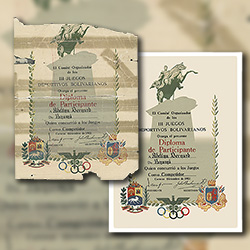
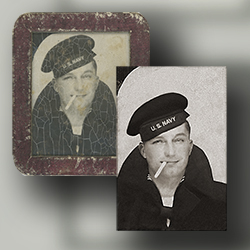
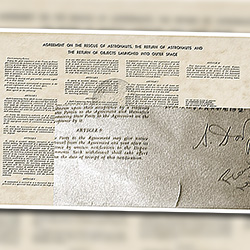
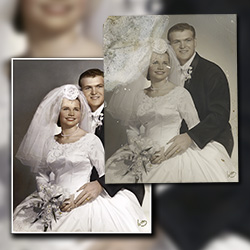
Unfortunately, the passage of time has taken its toll on many of these wartime snapshots. Photographs stored for decades in albums made from non-archival materials could become faded, yellowed, stained, or discolored. Some were mounted with adhesives that contributed to deterioration, while others suffered from creases, folds, tears, scratches, and surface damage caused by repeated handling or improper storage.
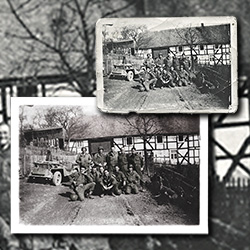
This small snapshot, depicting a squad of American GIs with their faithful Willys Jeep somewhere along the road toward the Rhine, had suffered from the effects of age and storage. The photograph was carefully digitally restored, with folds, creases, stains, and other surface imperfections meticulously retouched while preserving the character and historical details of the original image.
A subtle colorization treatment was then applied to bring additional visual depth and warmth to the black-and-white photograph. Rather than creating an overly saturated or modern appearance, the colorization was kept restrained to complement the photograph's vintage character and evoke the look of an aged color image.
Restoring photographs such as this one is not simply a matter of repairing an old picture. Each image is a small piece of personal and military history, preserving the faces of the men who served, the equipment they relied upon, and the landscapes through which they traveled. Careful photographic restoration and colorization can help ensure that these fragile visual records remain accessible to future generations while retaining the historical character and emotional connection of the original photograph.
In recognition of their sacrifice, service, and suffering, Sebastian Wintermute offers free photo restoration and digital archiving services to:
- WWII Combat Veterans of the Allied Forces
- Holocaust Survivors
- Victims of 9/11 and other terrorist atrocities
as well as their immediate families and direct descendants
|
|
|
|
|
|
|
|
|
|
|
|
|
|
|
|
|
|
|
|
|
|
|
|
|
|
|
|
|
|
|
|
|
|
|
|
|
|
|
|
|
|
|
|
|
|
|||||||||
| © 2026 Preserve Your Past | |||||||||
| By accessing this website you signify that you read, understood, and agreed to be bound by Terms of Services. If you do not agree to these terms, you are not permitted to use the Services. These Terms of Services have the same force and effect as an agreement in writing. |
|||||||||


