RESTORATION, PRESERVATION & ARCHIVING
MENU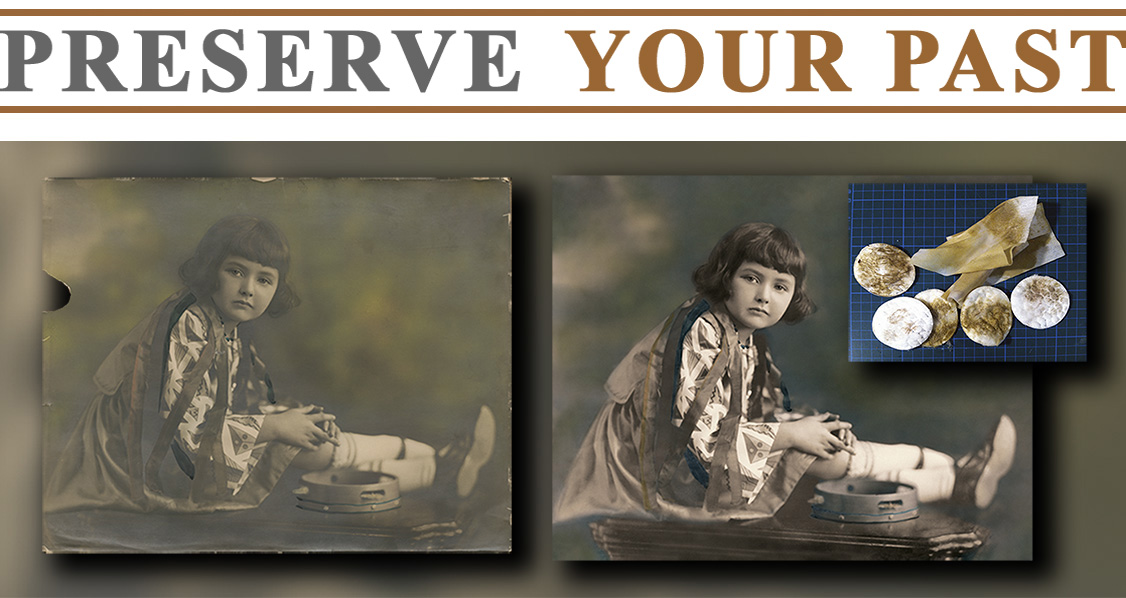
Professional Conservation of Smoke-Damaged Photographs
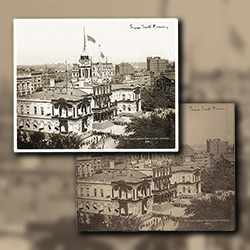
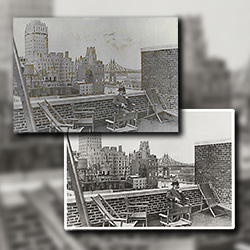
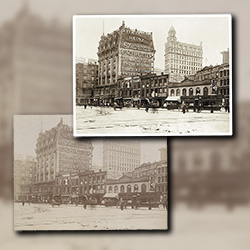
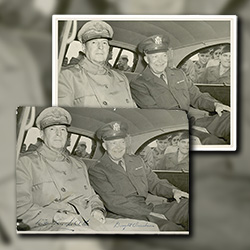
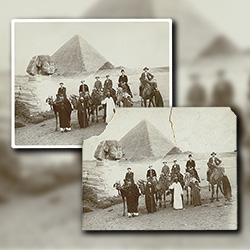
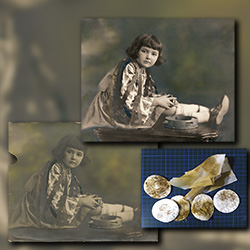
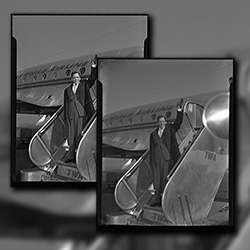
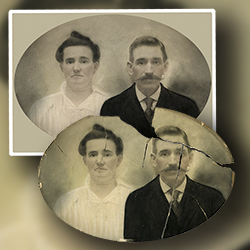
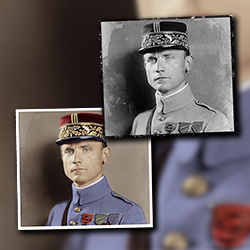
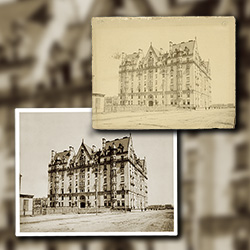
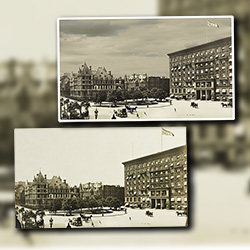
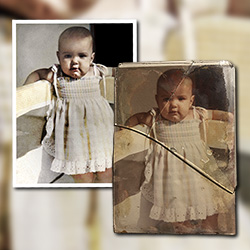
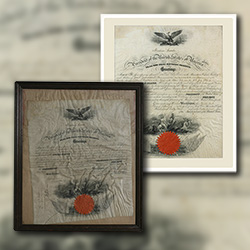
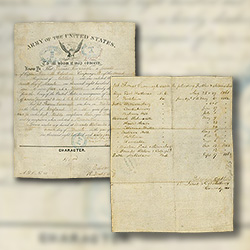
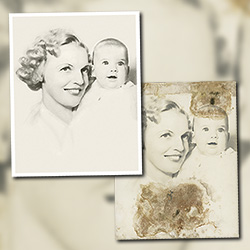
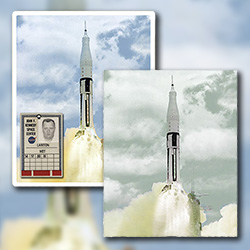
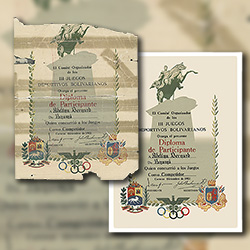
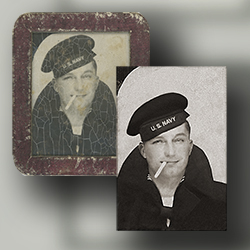
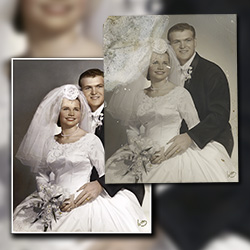
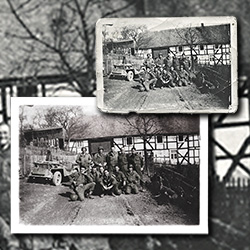
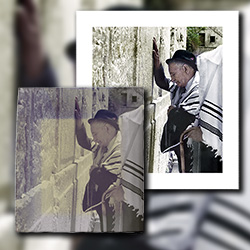
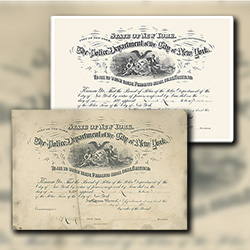
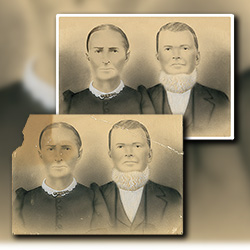
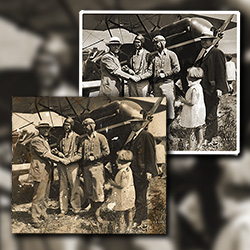
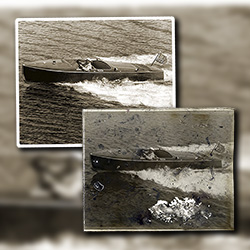
Over time, tobacco smoke can leave a stubborn yellowish-brown film on photographs, paintings, and other works of art. This residue contains nicotine, tar, and other airborne contaminants that gradually accumulate on exposed surfaces. Besides being unsightly, the sticky residue attracts dust and pollutants, dulls image contrast, discolors the surface, and, if left untreated, can contribute to the deterioration of photographic materials and protective coatings.
Photographs with significant sentimental, historical, or monetary value that have been affected by smoke residue should be cleaned only by a professional photograph conservator or restoration specialist. Improper cleaning methods or household cleaning products can permanently damage the delicate photographic emulsion, alter image colors, or remove hand-applied color from vintage photographs. A trained specialist uses conservation-grade materials, carefully selected solvents, and tested cleaning techniques to safely remove contaminants while minimizing the risk of further damage.
As with most conservation projects, the restoration process begins by creating a high-resolution digital scan of the photograph. This serves as a permanent record of the item's condition before treatment and provides a valuable reference throughout the restoration process. In the unlikely event that physical cleaning cannot fully recover the original appearance, the scan also allows for digital restoration and archival reproduction.
Following accepted conservation best practices, the conservator first performs a series of spot tests in an inconspicuous area of the photograph. Multiple cleaning solutions are evaluated to determine which method will safely remove the smoke residue without affecting the photographic emulsion, surface coatings, or any hand-applied coloring.
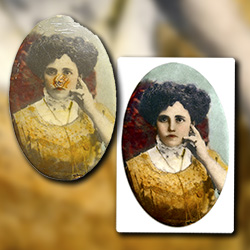
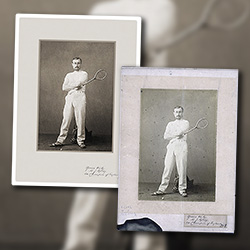
Once testing is complete, the cleaning process begins with the careful application of the selected conservation solution. Surface dust, dirt, and smoke residue are gradually lifted using gentle, controlled techniques designed to preserve the integrity of the photograph. As the accumulated contaminants are removed, the original tonal range, contrast, and image detail often become visible once again.
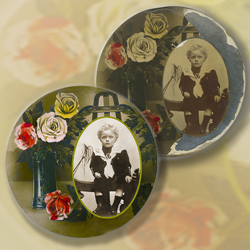
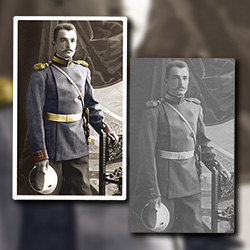
Particular care is required when treating hand-colored photographs. The watercolor, oil, pastel, or tempera pigments traditionally used to color black-and-white photographs may respond differently to cleaning solutions than the underlying photographic emulsion. Each area must therefore be treated individually using methods appropriate for the specific materials present.
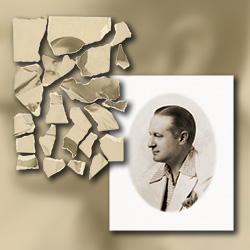
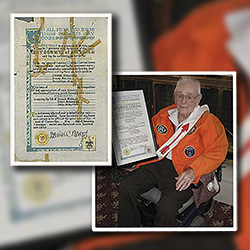
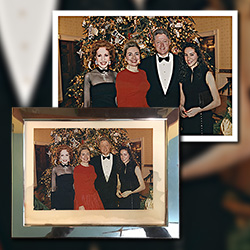
After cleaning is complete, any additional conservation treatments, such as stabilization, repair, flattening, or digital restoration, may be performed as needed. The restored photograph is then housed in archival-quality storage materials, such as an acid-free folder or conservation box, or professionally mounted and framed using museum-quality materials. Proper archival storage and display help protect the photograph from future deterioration caused by light, humidity, airborne pollutants, and environmental contaminants.
|
|
|
|

|

|
|
|
|
|
|
|
|
|
|
|
|
|
|
|
|
|
|
|
|
|
|
|
|
|
|
|
|

|
|
|
|
|
|
|
|
|
|
|

|
|
|||||||||
| © 2026 Preserve Your Past | |||||||||
| By accessing this website you signify that you read, understood, and agreed to be bound by Terms of Services. If you do not agree to these terms, you are not permitted to use the Services. These Terms of Services have the same force and effect as an agreement in writing. |
|||||||||


