RESTORATION, PRESERVATION & ARCHIVING
MENU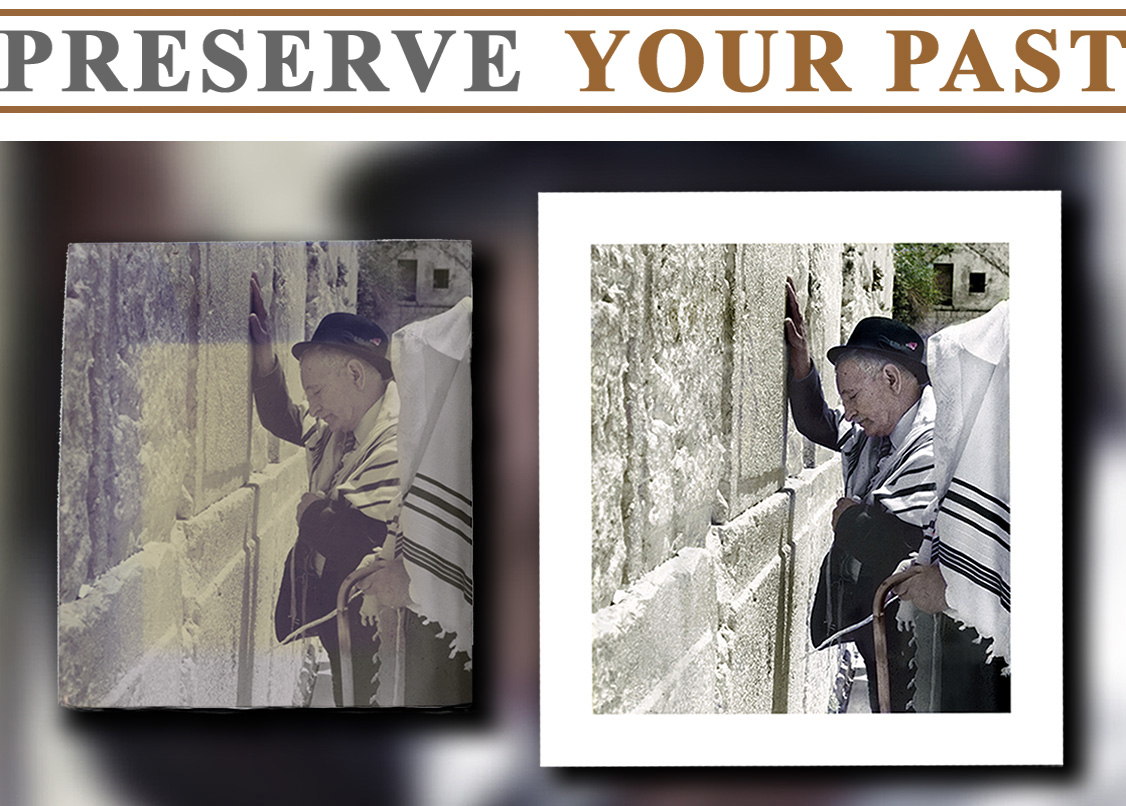
Preserving Memory: The Restoration and Preservation of Jewish Family Photographs
Family photographs are among the most precious records of the past, preserving the faces, relationships, and personal stories of generations who came before us. For Jewish families, surviving photographs can hold an especially profound significance, as countless photographs and family records were destroyed during the Holocaust and the Second World War. Through careful archival preservation and professional digital photo restoration, faded, stained, torn, and damaged photographs can be stabilized, repaired, and reproduced, ensuring that these irreplaceable visual records of family history, memory, and resilience remain available for generations to come.
Photographs are among the most meaningful historical artifacts that families possess. They preserve faces, names, relationships, and moments that might otherwise be lost to time. A single photograph can connect us to people we never had the opportunity to meet, allowing us to see the faces of parents, grandparents, and ancestors and offering a tangible connection to the lives and experiences of earlier generations.
For many Jewish families, these photographs carry an especially profound significance. The Holocaust and the devastation of the Second World War resulted in the destruction of millions of lives, communities, homes, and personal belongings. Countless family photographs, albums, letters, documents, and other records were lost forever. The images that survived often became treasured reminders of loved ones, families, and communities that had been forever altered or, in many cases, completely destroyed.
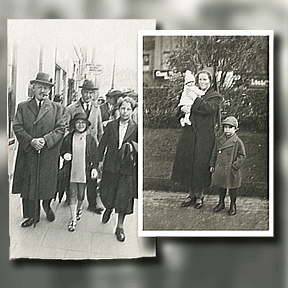 Today, these surviving photographs are more than family keepsakes. They are part of a larger historical record. They document the lives of individuals and communities, preserving evidence of people whose stories might otherwise be forgotten. A portrait of a family gathered together, a wedding photograph, a school picture, or an informal snapshot can provide a deeply personal glimpse into a world that no longer exists.
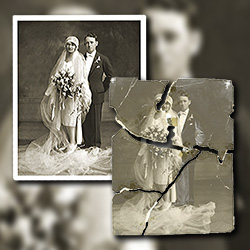
As the decades pass, even carefully treasured photographs can deteriorate. Prints may become faded or discolored, paper can become brittle, and photographs may develop stains, scratches, tears, creases, or other forms of physical damage. Improper storage, fluctuations in temperature and humidity, exposure to light, pollutants, and unsuitable framing materials can all accelerate deterioration.
Historic preservation is not limited to museums, libraries, and professional archives. It begins in the homes and families that choose to protect their own history and pass it on to future generations. One of the most important steps in preserving valuable family photographs is proper storage and display. Original photographs should, whenever possible, be kept away from prolonged exposure to direct sunlight and intense artificial lighting, which can contribute to fading and discoloration. When photographs are framed for display, conservation-quality materials can provide additional protection. Acid-free or lignin-free archival mats and backing materials, together with glazing that provides ultraviolet protection, can help reduce the effects of light exposure and protect photographs from dust and environmental contaminants.
Photographs should also be stored in a stable environment, away from excessive heat, high humidity, damp basements, attics, and areas subject to dramatic fluctuations in temperature and moisture. Whenever possible, photographs should be handled with clean, dry hands and protected from unnecessary contact, bending, or abrasion.
Even with the greatest care, however, photographs may deteriorate over time. Sometimes damage occurs before a family recognizes the importance of preserving an image. Other photographs may have spent decades in unsuitable frames, exposed to sunlight, moisture, or acidic materials. Some may have survived fires, floods, moves, or years of careless handling.
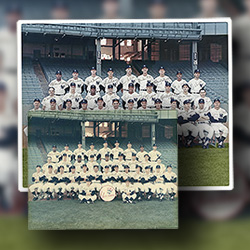
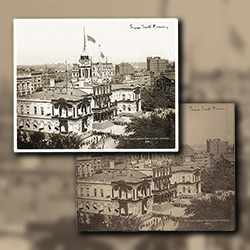
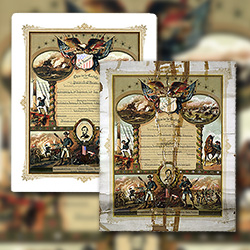
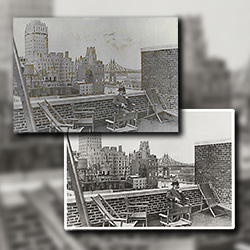
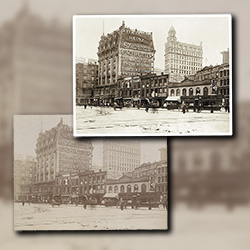
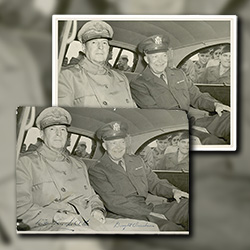
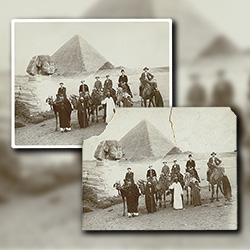
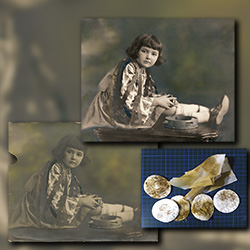
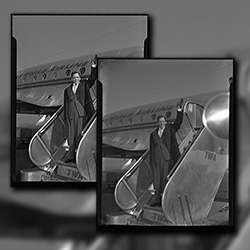
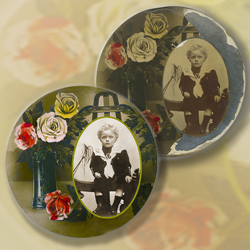
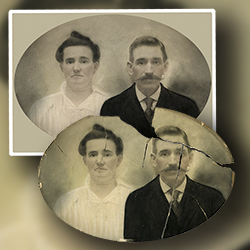
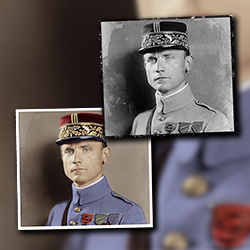
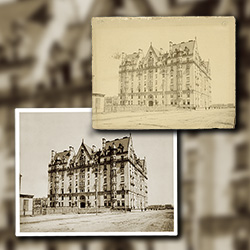
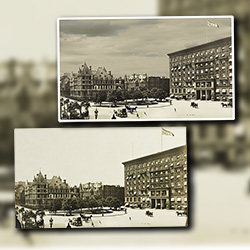
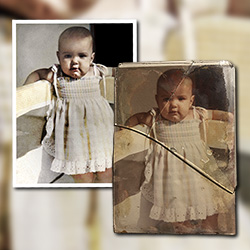
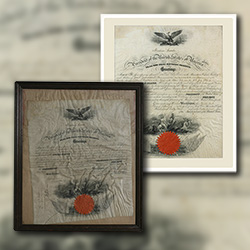
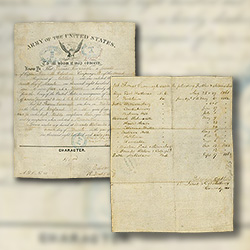
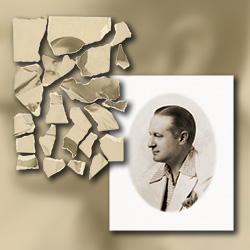
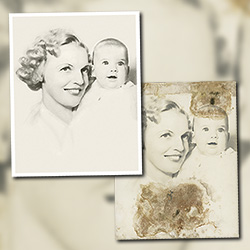
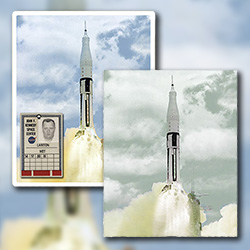
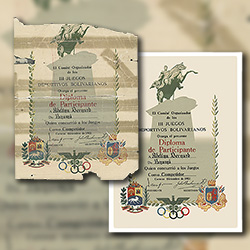
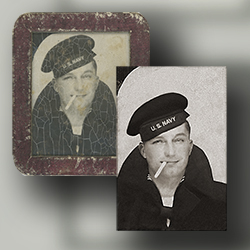
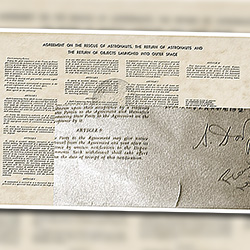
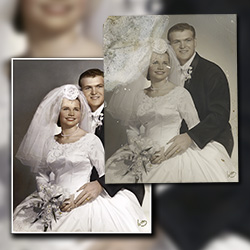
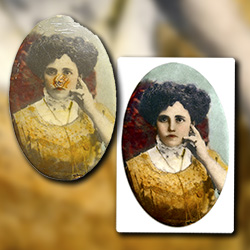
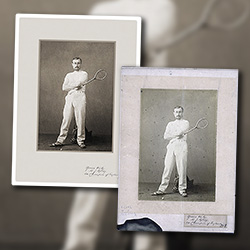
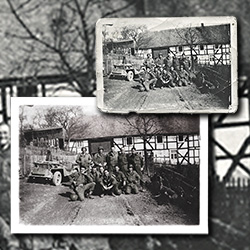
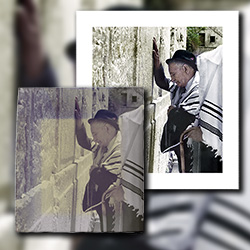
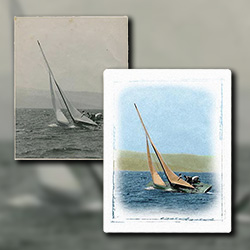
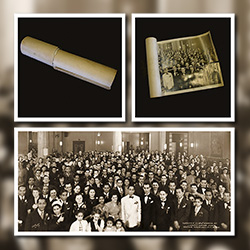
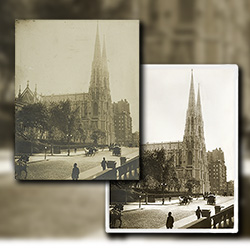
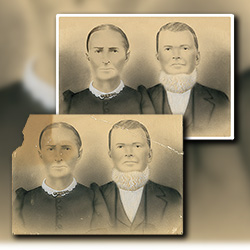
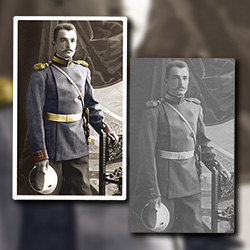
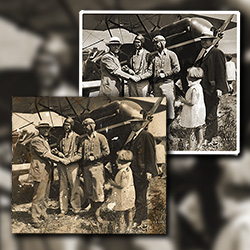
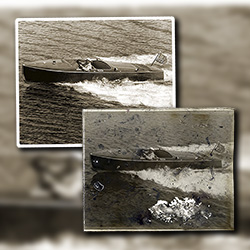
Professional digital photo restoration can often recover and reconstruct much of the appearance and detail of a damaged or deteriorated photograph. The restoration process begins with creating a high-resolution digital capture of the original. The digital file can then be carefully examined and restored using specialized techniques, including tonal and color correction, removal of stains and scratches, repair of tears and creases, reconstruction of missing areas, and detailed digital retouching.
In some cases, restoration involves correcting severe fading or color shifts. In others, the work may require reconstructing portions of an image that have been damaged or lost. Every photograph presents different challenges, and the goal of a thoughtful restoration is not to create something new, but to recover and preserve as much of the original photograph's visual information and character as possible.
Digital restoration also offers an important preservation advantage. Once a high-quality archival scan has been created and carefully restored, families can produce new prints for display while keeping the original photograph safely stored. This allows the original artifact to be protected from unnecessary handling and exposure to light while still making the image accessible to family members and future generations.
The restoration of a historic photograph is more than a technical process. It is an act of remembrance. Behind every photograph is a story, and behind many historic photographs are people whose lives deserve to be remembered. For families who lost relatives and entire branches of their family history during the Holocaust, even a single surviving photograph can have extraordinary emotional and historical value. Restoring such an image can help return a face to a name, reconnect generations, and preserve a fragment of a family story that might otherwise disappear.
These photographs also remind us that history is not made only of famous figures and major events. History is also found in ordinary people: in family gatherings, wedding celebrations, children's portraits, military uniforms, school photographs, and everyday moments captured by someone holding a camera. Preserving these images allows future generations to see the past through the faces of the people who lived it.
At a time when historical truth is increasingly challenged and antisemitism continues to threaten Jewish communities around the world, the preservation of these visual records carries an importance that extends beyond individual families. Photographs can serve as powerful primary sources, helping to document the existence of individuals, families, and communities and providing tangible connections to histories that must never be forgotten.
Every photograph that survives is a piece of evidence. Every restored photograph is an opportunity to protect that evidence and keep its story alive. Preserving historic Jewish family photographs is therefore both a personal and a collective responsibility. It honors those who came before us, respects the memories of those whose lives were lost, and ensures that future generations will have the opportunity to see, remember, and learn from the past.
In the end, restoration cannot bring back the people who are gone or undo the tragedies that history has left behind. But it can help preserve their faces, their families, and their stories. And sometimes, preserving a single photograph is the first step toward ensuring that a life, and a history, will never be forgotten.
In recognition of their sacrifice, service, and suffering, Sebastian Wintermute offers free photo restoration and digital archiving services to:
- WWII Combat Veterans of the Allied Forces
- Holocaust Survivors
- Victims of 9/11 and other terrorist atrocities
as well as their immediate families and direct descendants
|
|
|
|

|
|
|
|
|
|
|
|
|
|
|
|
|
|
|
|
|
|
|
|
|
|
|
|
|
|
|
|
|
|
|
|
|
|
|
|
|
|
|
|
|
|
|||||||||
| © 2026 Preserve Your Past | |||||||||
| By accessing this website you signify that you read, understood, and agreed to be bound by Terms of Services. If you do not agree to these terms, you are not permitted to use the Services. These Terms of Services have the same force and effect as an agreement in writing. |
|||||||||


